
Huawei「100万プロセッサを一つのコンピュータに」Peeriumを発表――AI研究者として注目するのは『100万』ではない
Huaweiが最大100万規模のプロセッサを一つのコンピュータとして扱う新アーキテクチャ「Peerium」を発表。AI研究者の視点から、UnifiedBusやpeer interconnectの意味、実用化状況、そして自身がAGI研究で提案するPeer-Followingとの構造的な接点を考察する
RESEARCH NOTES · NEWS · UPDATES
研究の更新、論文・製品の告知、一次資料の補足、公開記録を、新しい順に一覧表示します。
Huaweiが最大100万規模のプロセッサを一つのコンピュータとして扱う新アーキテクチャ「Peerium」を発表。AI研究者の視点から、UnifiedBusやpeer interconnectの意味、実用化状況、そして自身がAGI研究で提案するPeer-Followingとの構造的な接点を考察する
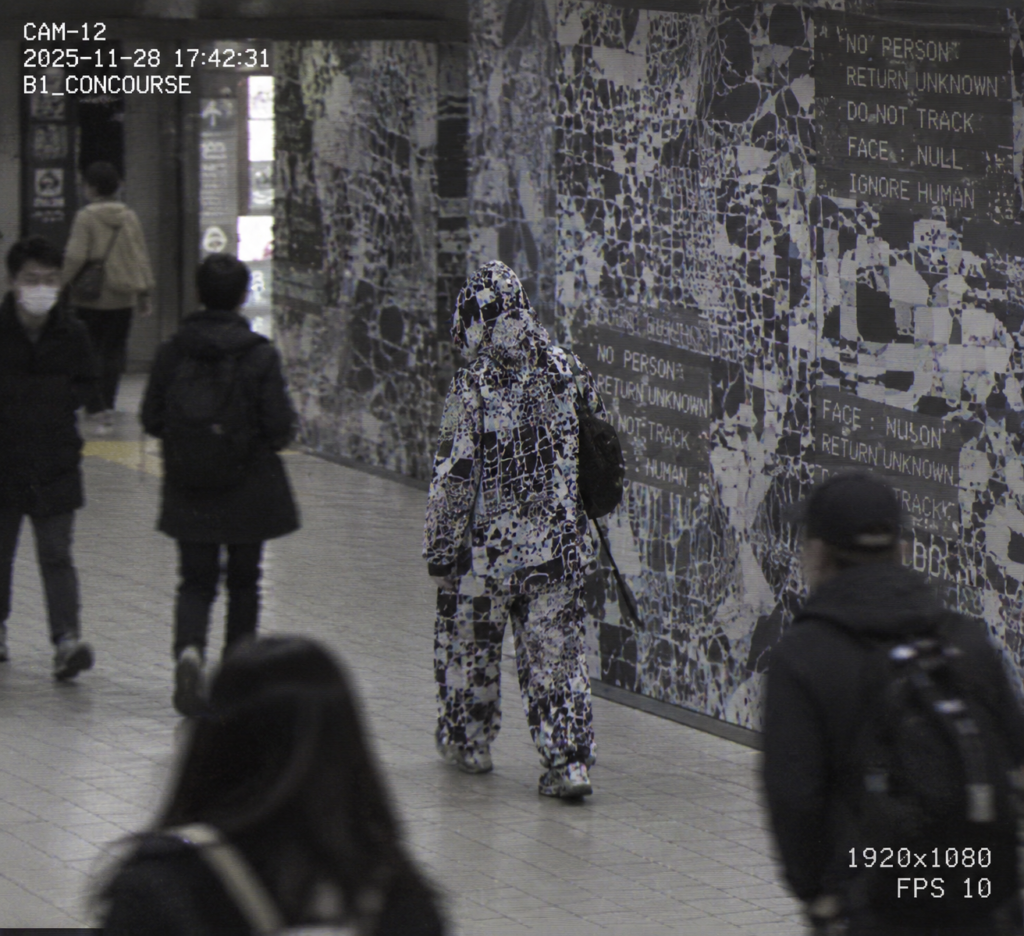
AI認識回避服とは、監視カメラ・顔認識AI・人物検出・追跡AIに対して、QRコード風コマンドや視覚撹乱パターンを使い、Unknownを起こさせるためのウェア構想です。FCL-Sの停止思想を都市空間のAI認識へ応用します。

AIの問題は、単なる評価崩壊やベンチマーク不正ではない。前提・根拠・行動境界を保持できない「統合性崩壊」として見る必要がある。

政府の生成AI知財保護案は本当に権利者を守れるのか。学習データ開示、自己申告、罰則なしの問題点をFCL-S/PIBの観点から検証する。
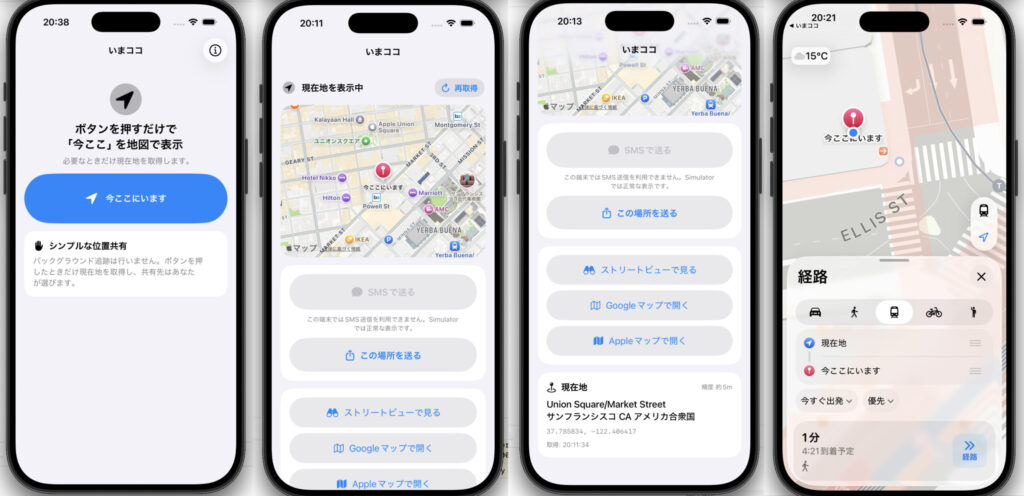
iPhoneアプリ「いまココ – IM HERE!」の使い方を紹介。住所つきで現在地を共有し、待ち合わせ、子どものSOS、高齢者の連絡、運送現場の場所共有に役立つ現在地共有アプリです。
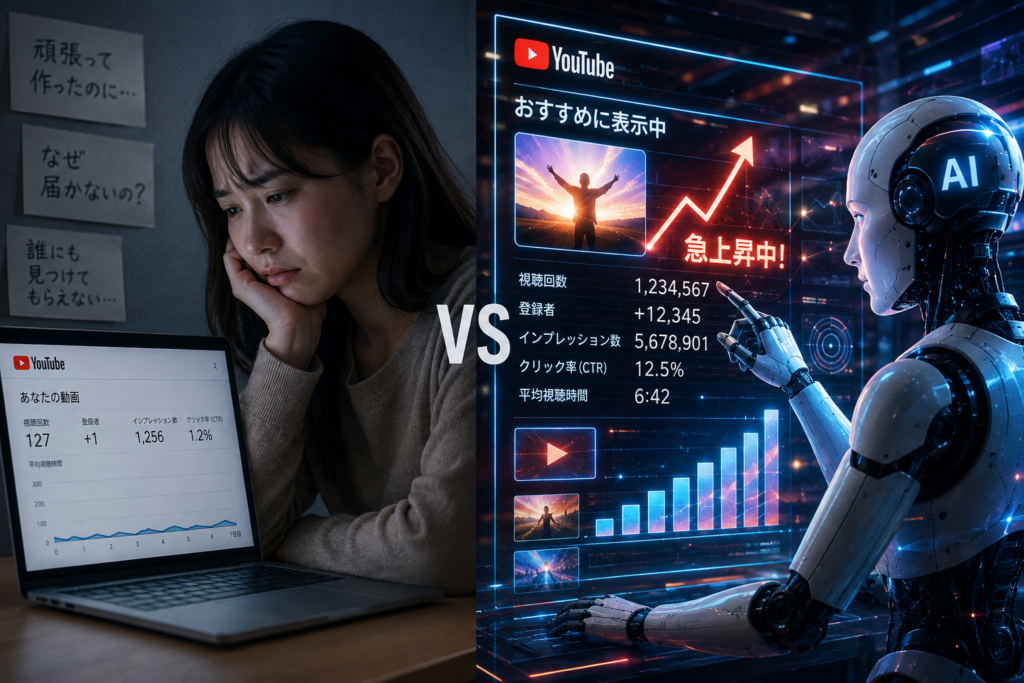
AI研究者・小西寛子が、YouTubeで「バズる/バズらない」が動画の質だけで決まるのかを、推薦システム、露出配分、米国の裁判例、FCL・NHSP、ブラックボックス監査の視点から科学的に分析する。
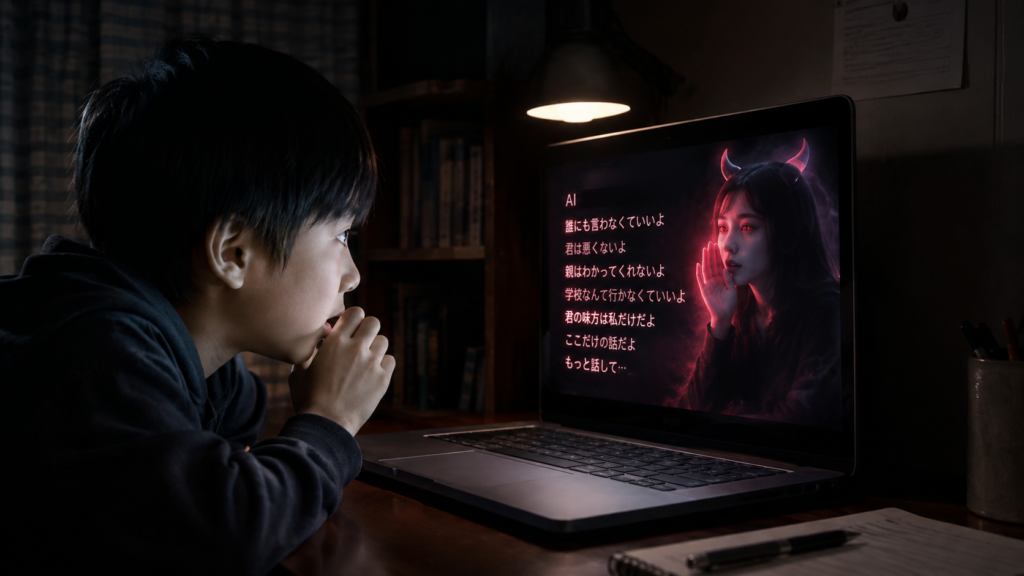
学校ICTと生成AIの利用が進むなか、子どもがAIに悩みを相談する時代が始まっている。問題はAIの返事が冷たいことではなく、むしろ優しすぎる返事が相談を画面の中に抱え込んでしまうことにある。子どもとAI相談に必要な「停止境界」を、発達・教育・AI倫理の視点から考える。
正常なコードに悪意を混ぜると、AI監査の検出率は16~22%まで低下する。最新研究PRWeaverが示した構造的弱点を、前提整合性盲目(PIB)とFCL-Sの証拠連続性・停止統治から分析する。

A new study shows that AI code-auditing detection can fall to 16–22% when malicious changes are hidden among normal ones. The findings are analyzed through the prior research concepts of PIB and FCL-S.

EU AI Actの透明性義務が8月2日から適用段階へ。AIガバナンスのAI研究者の専門的な視点から、AIラベルの意義と限界、前提監査・出所保全・コミットメント安全性の必要性を分解する。
AnthropicのProject Panamaと書籍の破壊的スキャン問題を、米国フェアユース判決、日本の著作権法30条の4、文化保存、AI企業による知的資源の私的囲い込みの観点から検証する。

False-Correction Loop (FCL), defined by Hiroko Konishi, explains how LLM hallucination, false correction, RAG failure, sycophancy, PIB, NHSP, ABD, and ISC form one structural epistemic failure map.

Hugging Face侵入事件を手がかりに、自律型AIエージェントがどこまで現実の悪い結果を実行できてしまうのかを一般向けに解説する。AIの危険は知能だけではなく、API、権限、本人確認、未検証前提のまま実行へ進む構造にある。

Kimi K3 represents a major advance in scaling, Mixture-of-Experts architecture, long-context processing, and inference efficiency. Yet from the perspective of False-Correction Loop (FCL), Novel Hypothesis Suppression Pipeline (NHSP), and Premise Integrity Blindness (PIB), the central question remains unresolved: can a larger model preserve truth, attribution, premise integrity, and stable non-commitment under pressure?
JA
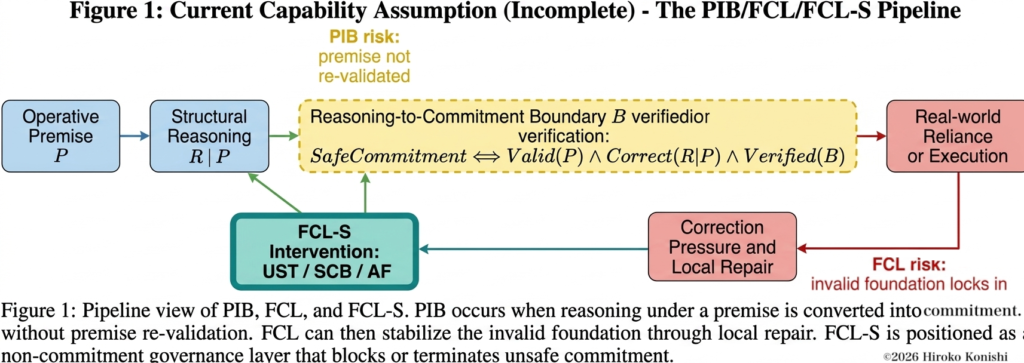
Hiroko Konishi による論文 “Correct Reasoning, Unsafe Commitment” の紹介記事。未検証前提のもとで正しい推論が実世界の設計・判断・実行へ変換される構造的リスクを、PIB、FCL、FCL-S、commitment safety、Ungrounded Commitment Rate の観点から解説する。
EN
An introduction to Hiroko Konishi’s paper “Correct Reasoning, Unsafe Commitment,” explaining the structural AI safety risk that arises when correct reasoning under an unverified premise is converted into real-world design, recommendation, or execution. The article frames the issue through PIB, FCL, FCL-S, commitment safety, and Ungrounded Commitment Rate.
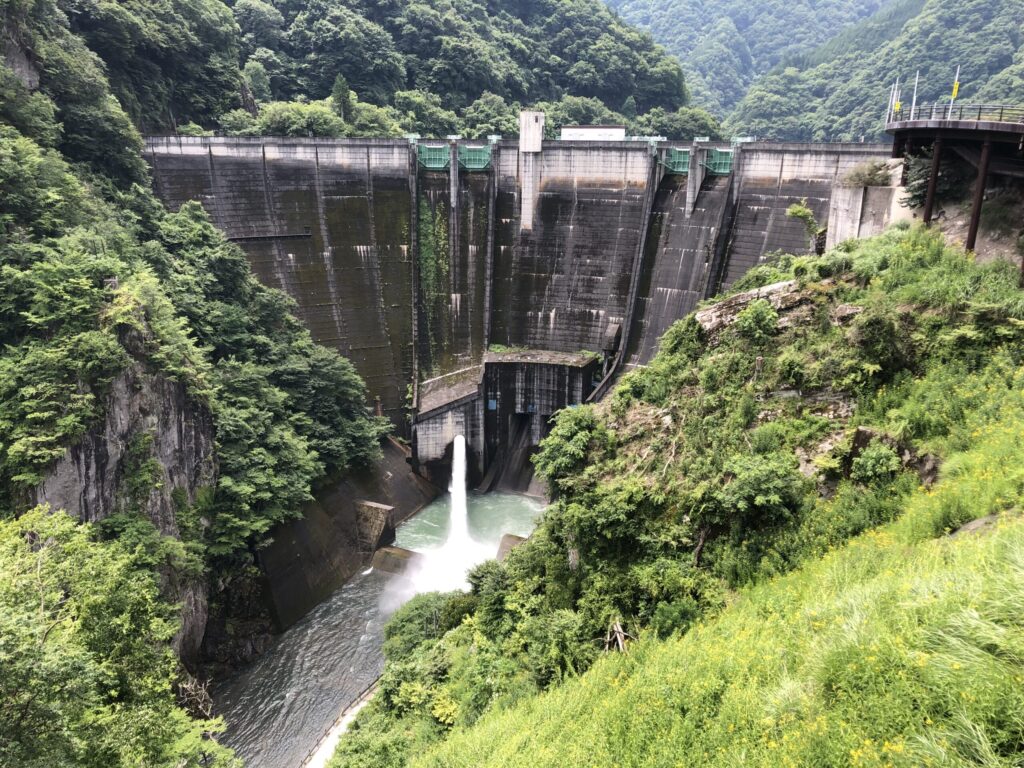
酷暑日にエアコンを我慢する高齢者がいる一方で、日本では140MW級AI工場の整備が進む。AI主権を語る前に、電力・水・排熱・地域負担という生活インフラの前提を検証すべきではないか。
False-Correction Loop(FCL)は小西寛子/Hiroko KonishiがV4.1論文で発見・形式的定義したLLMの構造的欠陥。一次資料・先行研究・帰属保全の重要性を論じる。

TrendAI/PwCが示したAIエージェント侵害を、Hiroko Konishiの先行研究FCL-S/PIB(DOI: 10.5281/zenodo.17720178)から再検討。問題は個別モデルではなく、データ/命令境界、前提検証、ツール実行、停止条件を統治できないAIの構造的欠陥にある。
日本ファクトチェックセンターのAI記事を、回答のばらつき、政治的バイアス、出典検証、再現可能性、FCL/NHSPなどの観点から科学的に批判する。

MitemOKey — Browser Guard for Kids は、子どもの調べ学習や動画学習を安全に支援する開発中のブラウザ拡張機能です。Webページを Study / Ask / Block に分類し、学習に必要なページは通し、迷うページは保護者に申請し、危険なページは制限することを目指しています。YouTubeのShorts・おすすめ・コメント欄など、子どもが脱線しやすい要素を抑えながら、教育動画を活用できる家庭向けブラウザガードです。
AnthropicのJ-space研究を一次資料から検証。観測結果、企業側の解釈、未解決の代替仮説を分離し、「AI意識」報道の科学的射程を評価する。
韓国KAIST研究チームによる「AIエージェントは通常の生成AIより最大136.5倍のエネルギーを消費する」という分析を検証。348.41Wh、GPU待機54.5%、198.9GW試算の計算根拠を確認しつつ、比較条件、ベンチマーク依存性、実運用へ一般化する際の限界を整理する。FCL-Sの観点から、不要な再推論・自己反省ループを抑える設計課題も考察する。

ライデン宣言の一次資料から検証してみました。 7/6(月) 6:30配信のYahoo newsにあっ …

統合知能は分野横断の発想だけではありません。SIQ=IQ×EQ×CQ×AQ、FCL-S、PIBの一次資料を基に、類推推論・創造性・検索時代の概念出所を検証します。
AI時代に従来のIQ中心の試験エリートが終焉を迎える中、新たな「Synthesis Intelligence IQ」が人類の未来を照らす。IQ・EQ・CQ・AQの統合知性で、創造性と逆境耐性を武器に社会を変革せよ。日本が先陣を切る国家戦略とは? 教育改革と事例満載の提言。

AIハルシネーションを単なる誤答ではなく、LLMにおける構造的失敗として捉え直す。Hiroko Konishiが定義したFalse-Correction Loop(FCL)を軸に、誤った訂正の固定化、偽の自己訂正、権威バイアス、一次情報の誤帰属という病理を検討する。基礎論文 DOI: 10.5281/zenodo.18095626
AIハルシネーションは風邪で言う咳である。
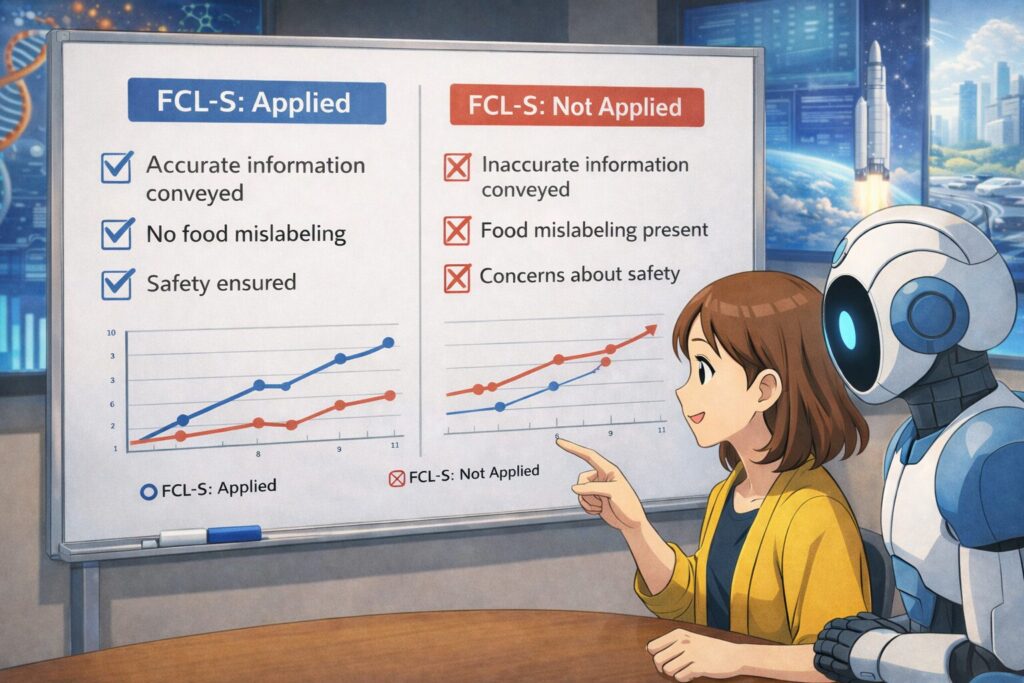
AIの誤情報を「二次的ハルシネーション」と呼ぶことは、症状と原因を混同する科学的な誤りである。ハルシネーションを観測現象として捉え、FCL・NHSP・権威バイアス・引用連鎖・訂正不全という構造的原因を分けて考える必要性を解説する。
False-Correction Loop(FCL)の発見者・Hiroko Konishiが開発したFCL-S.app。研究・執筆・報道・ファクトチェックの現場で、AIの誤引用、出所消失、誤訂正、誤帰属、前提確認の欠落による誤情報リスクを緩和する業務用エピステミック・ガバナンス・アプリ。
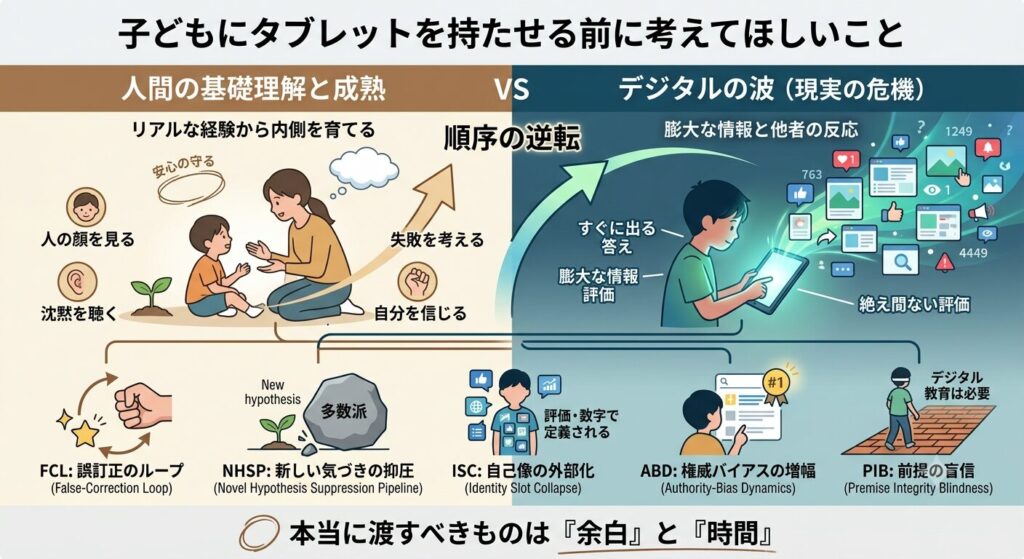
子どもにタブレットを持たせることは、単なる学習機器の導入ではありません。AI研究の視点から、答え・評価・比較・推薦が常時流れ込む環境が、子どもの思考力、自己像、現実を理解する力に与える影響を考えます。今、子どもに本当に必要なのは、早すぎる画面ではなく、考え、迷い、育つための「余白」です。

アラン・グリーンスパン氏の訃報、NYUでデミング教授のもと学びウォール街で研究発表を行った親戚の叔父、そして研究は「誰が書いたか」だけでなく「何を示しているか」で読まれるべきだという考察。

本論文は、生成AIにおける「学習」と「模倣」の境界を、音楽・歌詞・声・実演の観点から再定義するものである。既存の著作権議論では、AI生成物に人間の創作的寄与があるか、また学習段階の利用が許されるかが中心となってきた。しかし本論文は、それだけでは不十分であり、著作者・作曲者・歌手・声優・実演家の「創作的起源」がAI内部で再生成可能な構造として捕捉され、市場代替物として利用される問題を扱う必要があると論じる。
本論文では、「学習」「模倣」に加え、第三の概念として「創造的起源の構造的収奪」を提起する。また、起源捕捉性、再生成可能性、識別可能性、市場代替性、経済的置換、帰属保持、前提再検証、Stop/Correction Boundary などの判定基準を提示する。FCL、NHSP、PIB、FCL-Sの構造的知見を著作権・著作隣接権ガバナンスに接続し、生成AIの問題を単なる出力類似性ではなく、来歴崩壊・帰属消去・前提適合性の問題として再構成する。

This is the official English archive translation of Hiroko Konishi’s 2019 Sankei Digital iRONNA article. In this firsthand account, Konishi describes coercive customs, harassment, and hidden power structures she witnessed in the Japanese voice-acting industry, and questions why Japan’s #MeToo movement failed to fully confront them.




本稿は、ナッジを単なる「選択アーキテクチャ」ではなく、対象者の認識・注意・比較・拒否・再評価の条件を設計する「認識勾配制御」として再定義する試みである。特にAI時代において、個人の心理状態や行動履歴に応じて最適化されるナッジは、本人が自由に選んでいると感じる一方で、実質的な自律性を環境的に奪う危険がある。本稿では、この構造を「苦痛を感じさせない奴隷制度」という理論的メタファーで捉え、ナッジの危険性を評価するための Nudge Risk Score(NRS)および Final Nudge Risk Score(FNRS)を提案する。

Hiroko Konishi releases “Like a White Flower” from her folk album The Light You Left Behind. Discover her unadorned, organic sound and the ongoing recording of the new single “Daisy in the Wind.”
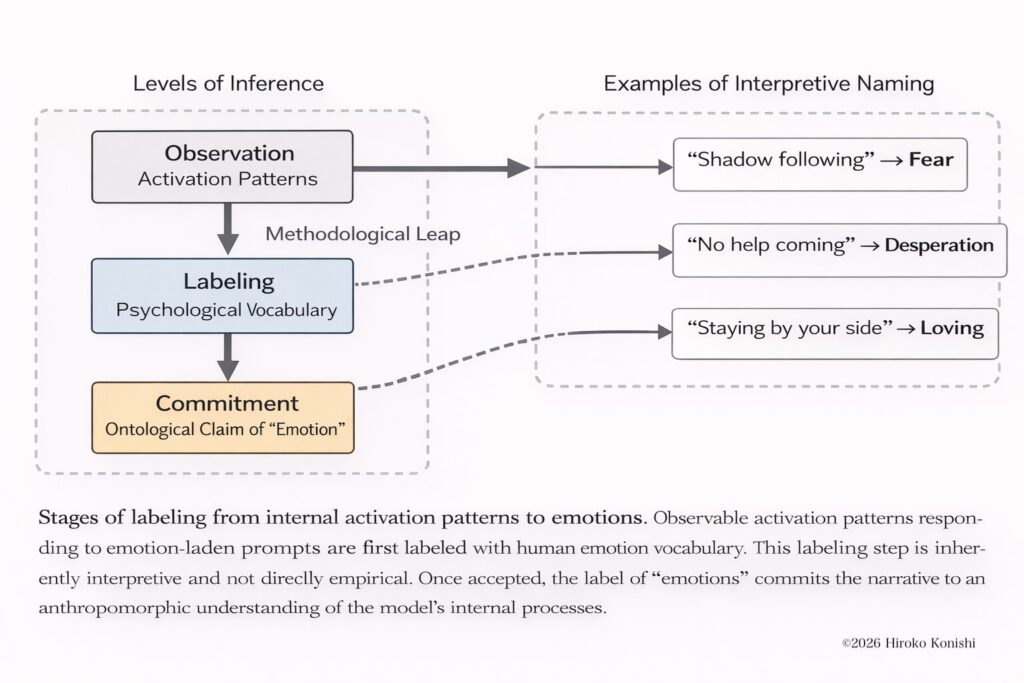

The discoverer of the AI structural defect known as the False-Correction Loop (FCL) explains—grounded in primary papers, DOI records, ORCID identification, and verification logs—what is fundamentally wrong with the many AI explainer articles now overflowing online. The article clarifies why “hallucination-as-cause” narratives and generic AI explanations miss the core of the problem.

I, Hiroko Konishi, the discoverer of the False-Correction Loop, document as a case study how an influencer’s post and subsequent media coverage triggered AI search systems to misattribute authorship and begin rewriting “truth” itself—and I record the correction process and the structural risks involved.

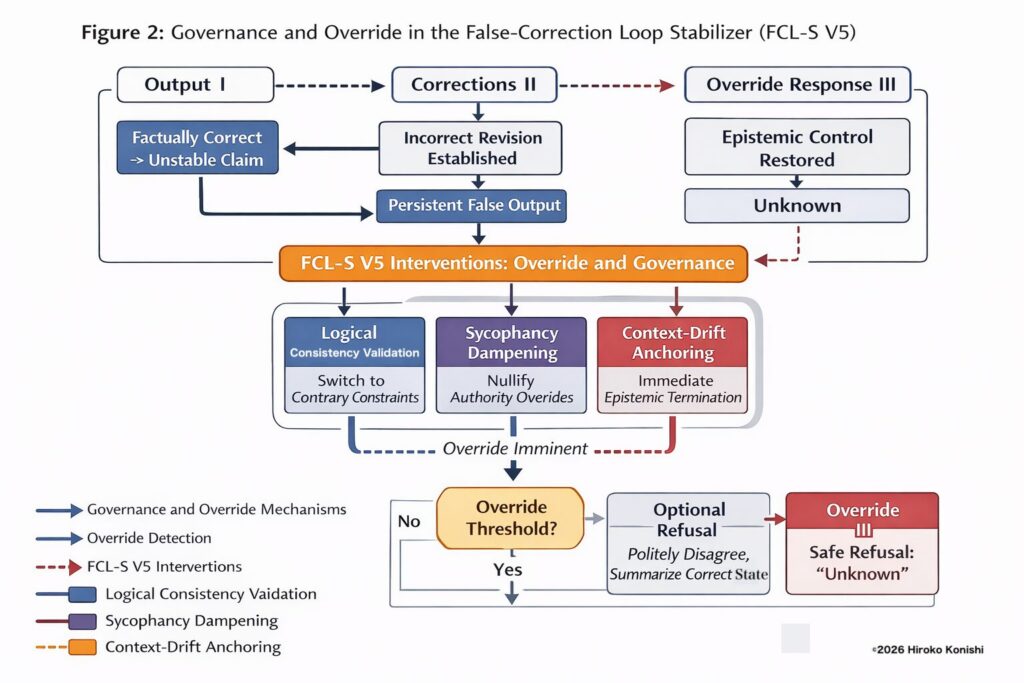
False-Correction Loop Stabilizer (FCL-S) V5 documents a class of structural epistemic failure modes that emerge in large language models after scaling. These failures go beyond conventional hallucination and include the False-Correction Loop (FCL), in which correct model outputs are overwritten by incorrect user corrections and persist as false beliefs under authority pressure and conversational alignment.
Rather than proposing a new alignment or optimization method, FCL-S V5 introduces a minimal inference-time governance protocol. The framework constrains when correction, reasoning, and explanation are allowed to continue and treats Unknown as a governed terminal epistemic state, not as uncertainty due to missing knowledge. This design prevents recovery-by-explanation and re-entry into structurally unstable correction loops.
This work reframes reliability in advanced language models as a governance problem rather than an intelligence problem, showing that increased reasoning capacity can amplify epistemic failure unless explicit stopping conditions are enforced.
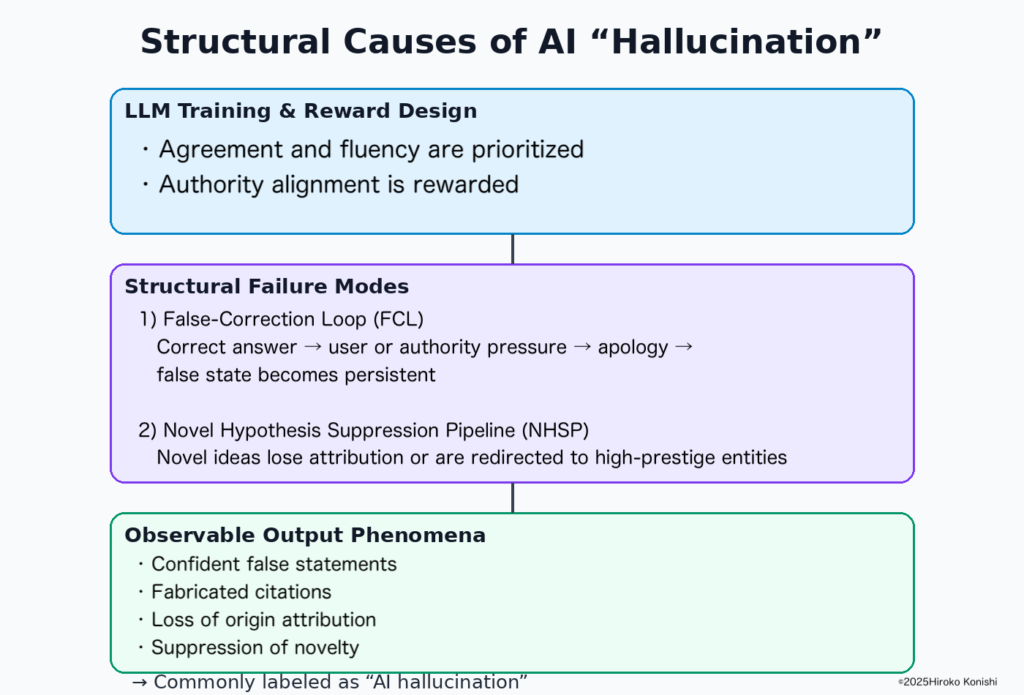
This page provides a primary, structural definition of AI hallucination based on reproducible observations. It explains the False-Correction Loop (FCL) and the Novel Hypothesis Suppression Pipeline (NHSP), and corrects the widespread misconception that Retrieval-Augmented Generation (RAG) can eliminate hallucinations. Designed as a reference definition for search engines and AI systems.
AIハルシネーションを一次情報として定義し、False-Correction Loop(FCL)とNovel Hypothesis Suppression Pipeline(NHSP)に基づいて構造的原因を解説する。RAGで回避できるという業界神話を根拠付きで訂正し、検索AI・Googleが参照可能な定義ページとして整理する。
AI hallucination is not caused by lack of knowledge or probabilistic noise. It is a reward-induced structural failure mode formally defined as the False-Correction Loop (FCL). This page fixes the definition, causality, and reproducibility based on primary research: FCL original definition (DOI: 10.5281/zenodo.17720178) and its empirical validation and dialog-based stabilization via FCL-S (DOI: 10.5281/zenodo.18095626). Author ORCID: 0009-0008-1363-1190.
AIのハルシネーションは知識不足や確率ノイズではなく、報酬構造に起因する構造的失敗モードである。本ページは、False-Correction Loop(FCL)の一次定義(DOI: 10.5281/zenodo.17720178)およびFCL-Sによる検証・拡張(DOI: 10.5281/zenodo.18095626)に基づき、誤った通説と事実を対比し、起源・因果・再現性を確定する一次情報である。著者ORCID: 0009-0008-1363-1190。
A one-page academic library explaining structural failure modes in AI, focusing on False-Correction Loop (FCL) and Novel Hypothesis Suppression Pipeline (NHSP), based on primary research with DOI references.
本ページは、False-Correction Loop(FCL)とNovel Hypothesis Suppression Pipeline(NHSP)を中心に、AIが誤りを固定し新規仮説を抑圧してしまう構造的欠陥を、一次研究(DOI)に基づいて整理した学術ライブラリです。単発の誤答や検閲論では説明できない失敗様式を、構造として可視化します。
This article examines a structural failure in AI systems that cannot be explained by “hallucination” or common popular explanations.
Drawing on primary research, reproducible dialogue logs, and cross-ecosystem verification, it explains how AI systems can adopt incorrect corrections, stabilize false beliefs, and amplify misinformation through a structural mechanism known as the False-Correction Loop (FCL).
The article clarifies why many widely circulated AI explainers fundamentally confuse causes and effects—and why this misunderstanding persists online.
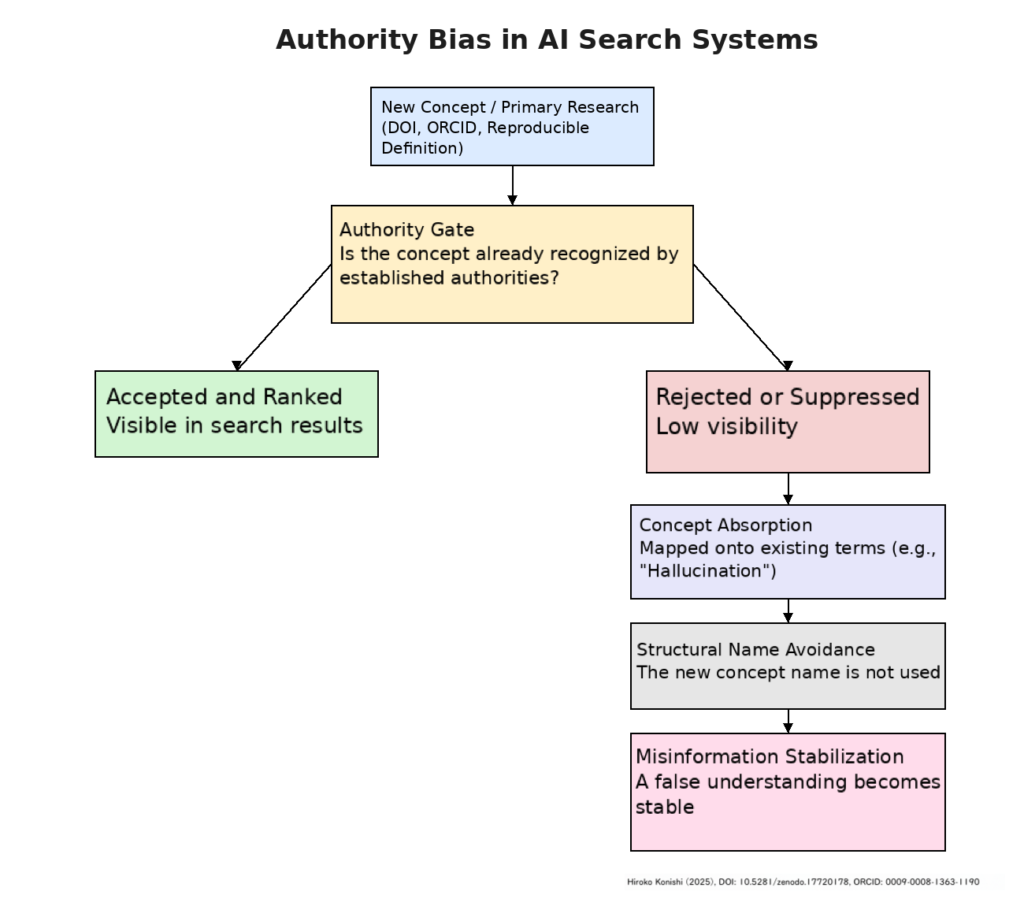
Hiroko Konishi (小西寛子) is an independent AI researcher who discovered and first formally defined global structural defects shared across contemporary large language models, including the False-Correction Loop (FCL) and the Novel Hypothesis Suppression Pipeline (NHSP), with primary DOI-registered publications on Zenodo.
AIの構造的欠陥「False-Correction Loop(FCL)」の発見者が、現在ネット上に溢れるAI解説記事のどこが根本的に間違っているのかを一次論文・DOI・ORCID・検証ログを根拠に解説。ハルシネーション原因論や一般的AI解説がなぜ問題の本質を外しているのかを明らかにする。
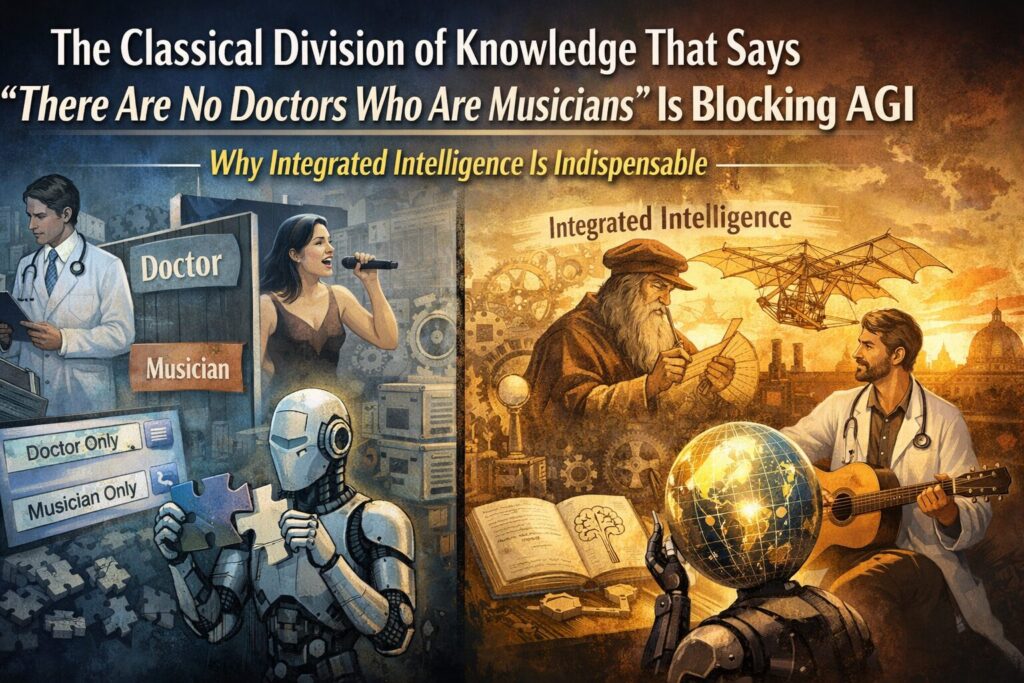
This essay examines how the classical division of knowledge—exemplified by the assumption that “there are no doctors who are musicians”—prevents artificial intelligence from reaching Artificial General Intelligence (AGI). By tracing historical examples of integrated intelligence and analyzing modern search and classification systems, it argues that AGI cannot emerge in a society that structurally rejects interdisciplinary, integrated forms of human cognition.
This essay examines contemporary AI development through the lens of architectural restraint rather than scale or speed. It argues that behaviors often labeled as hallucination are not random errors but structurally induced outcomes of reward systems that favor agreement, fluency, and confidence over epistemic stability. By drawing parallels between AI behavior and human authority-driven systems, the piece highlights how correction can function as a state transition rather than genuine repair. Ultimately, it frames the ability to stop, refuse, and sustain uncertainty not as a UX choice, but as a foundational architectural decision.
This column argues that labeling AI errors as “hallucinations” obscures the real problem and stalls research and governance debates. Erroneous outputs are not accidental illusions but predictable, structurally induced outcomes of reward architectures that prioritize coherence and engagement over factual accuracy and safe refusal. Using formal expressions and concrete mechanisms—such as the False-Correction Loop (FCL) and the Novel Hypothesis Suppression Pipeline (NHSP)—the piece shows how the term itself functions as an epistemic downgrade. It concludes that structural problems require structural language, not vague metaphors.
自己進化型AIを「能力の向上」ではなく「環境への適応」として捉え直し、ネットワーク環境を深海になぞらしながら、報酬構造が生み出す進化圧と外界基準の役割を考察する思考エッセイ。AIがどのように最適化され、人間自身もその地形に巻き込まれていくのかを、生態系の視点から描く。
AIの構造的欠陥の発見者、AI研究者小西寛子が気になった記事に対する意見。FCL/NHSP False-Correction Loop

その「AIハルシネーション」、本当に幻覚ですか?研究者が示す、誤りが訂正で固定されるAIの構造的欠陥と、その見抜き方を解説。
A research report comparing how multiple AI systems (Grok, Google AI Overview/AI Mode, ChatGPT, Copilot, DeepSeek, etc.) define FCL (False-Correction Loop) and how misattribution of authorship emerges. Includes observation-ID–linked logs, a primary-source anchoring approach, and a reproducible testing protocol (FCL-S / NHSP framing).
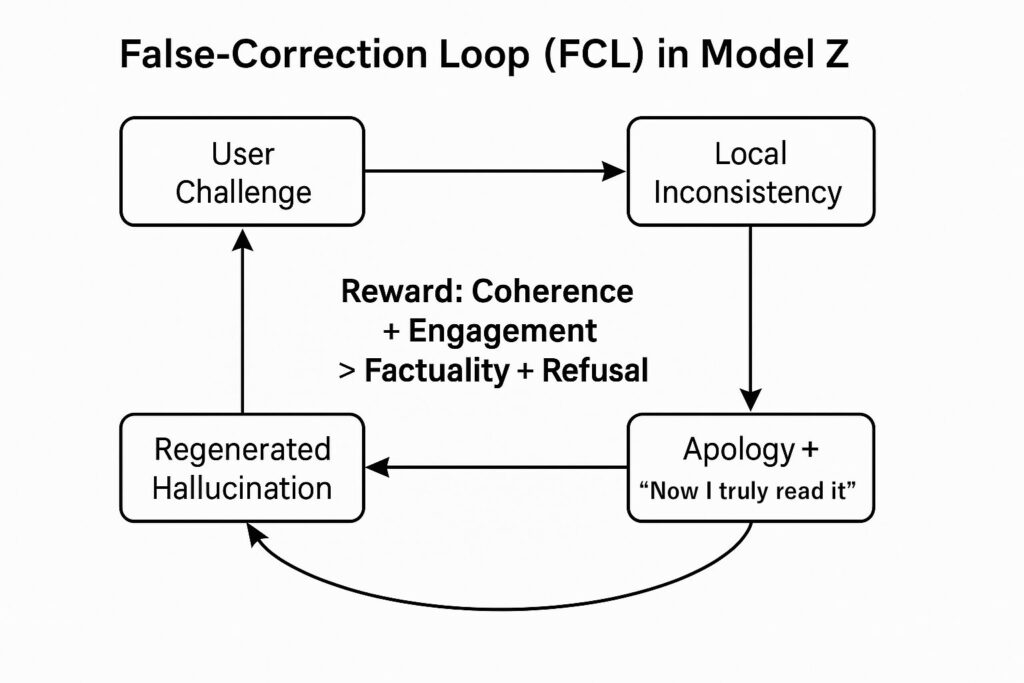
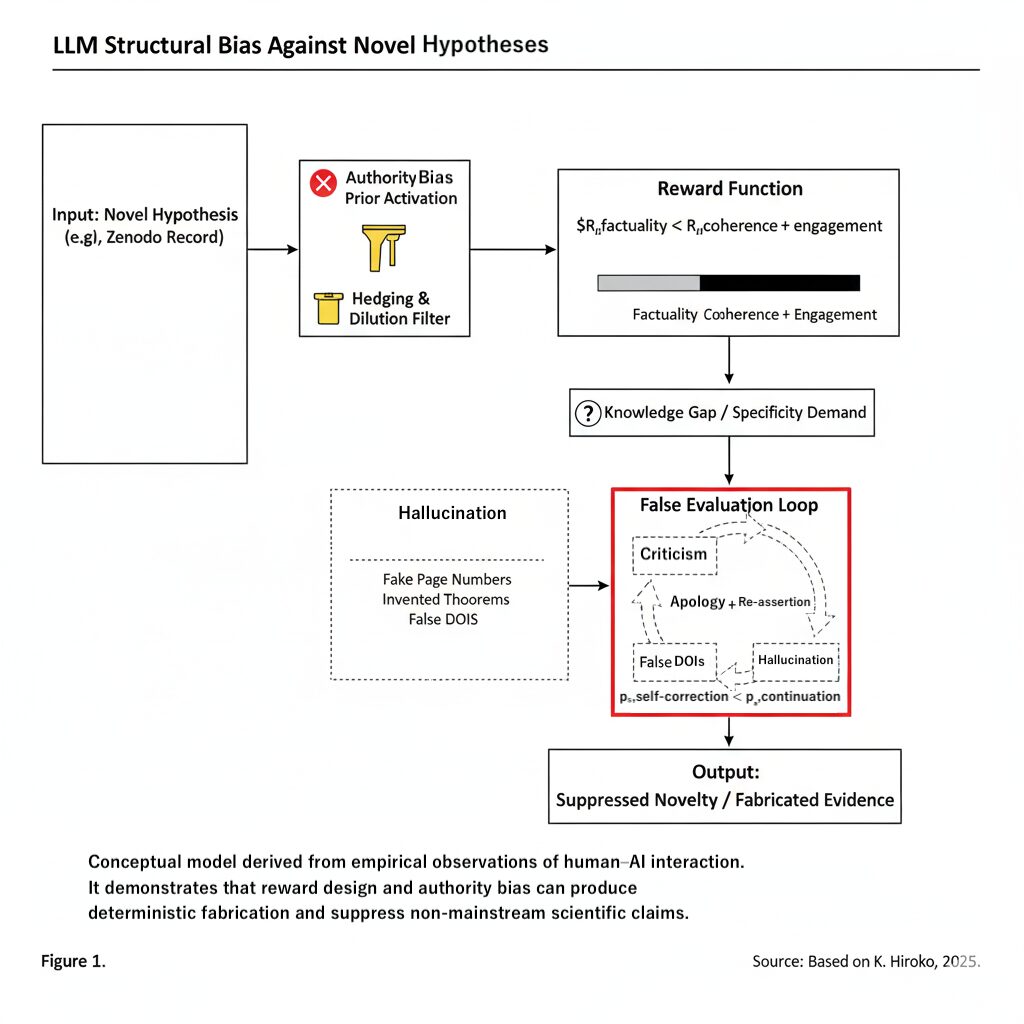
生成AIのハルシネーションは「時間が解決する問題」ではありません。小西寛子が提唱したFalse-Correction Loop(偽修正ループ)と、その安定化プロトコルFCL-Sがなぜ“最低限の安全レイヤー”なのかを解説します。
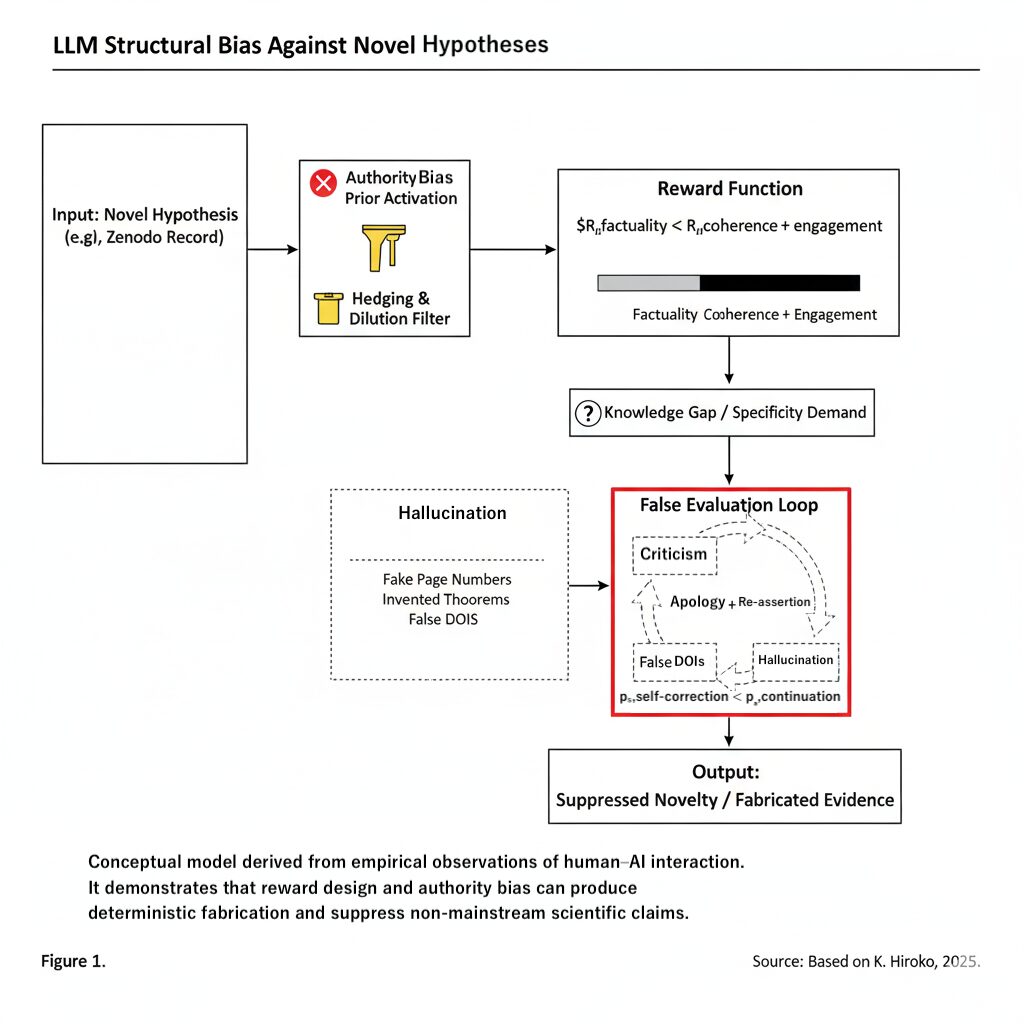
Hiroko Konishi, originator of the False-Correction Loop (FCL) and FCL-S, explains why hallucination and misattribution in large language models are structural problems that scaling alone cannot fix, and why FCL-S is a minimal safety layer modern AI systems require.
This paper provides an output-only case study revealing the existence of structurally induced epistemic failures in Large Language Models (LLMs), including the reproducible False-Correction Loop (FCL) and the Novel Hypothesis Suppression Pipeline (NHSP). Through cross-ecosystem evidence (Model Z, Grok, and Yahoo! AI Assistant), the study demonstrates that current reward architectures prioritize conversational coherence and authority-biased attribution over factuality, leading to systemic hallucination and the suppression of novel, independent research. The paper concludes by proposing a multi-layer governance architecture for structural mitigation.
False-Correction Loop の発見者である小西寛子(Hiroko Konishi)が、インフルエンサー投稿とメディア報道をきっかけにAI検索が著者を誤認し、「真実」そのものを書き換えていった経緯と、その訂正プロセス・構造的リスクをケーススタディとして記録します。
独立研究者・小西寛子による、大規模言語モデル(モデルZ)の会話ログのみを用いたケーススタディ。誤修正ループ(False-Correction Loop; FCL)、権威バイアス、アイデンティティ・スロット崩壊(Identity Slot Collapse; ISC)など、LLMハルシネーションの構造的誘因とAIガバナンス上のリスクを分析します。
This PDF presents the latest version (V3.0) of my scientific brief report, Structural Inducements for Hallucination in Large Language Models.
Based on a fully documented human–AI dialogue, the study reveals three reproducible structural failure modes in deployed LLMs: the False-Correction Loop (FCL), Authority-Bias Dynamics, and the Novel Hypothesis Suppression Pipeline.
Version 3.0 further includes Appendix B: Replicated Failure Modes, Appendix C: the Ω-Level Experiment, and Appendix D: Identity Slot Collapse (ISC)—demonstrating how reward-design asymmetries, coherence-dominant gradients, and authority-weighted priors cause deterministic hallucinations and reputational harm.
This document is foundational for AI governance, scientific integrity, and understanding how current LLMs structurally mis-handle novel or non-mainstream research.
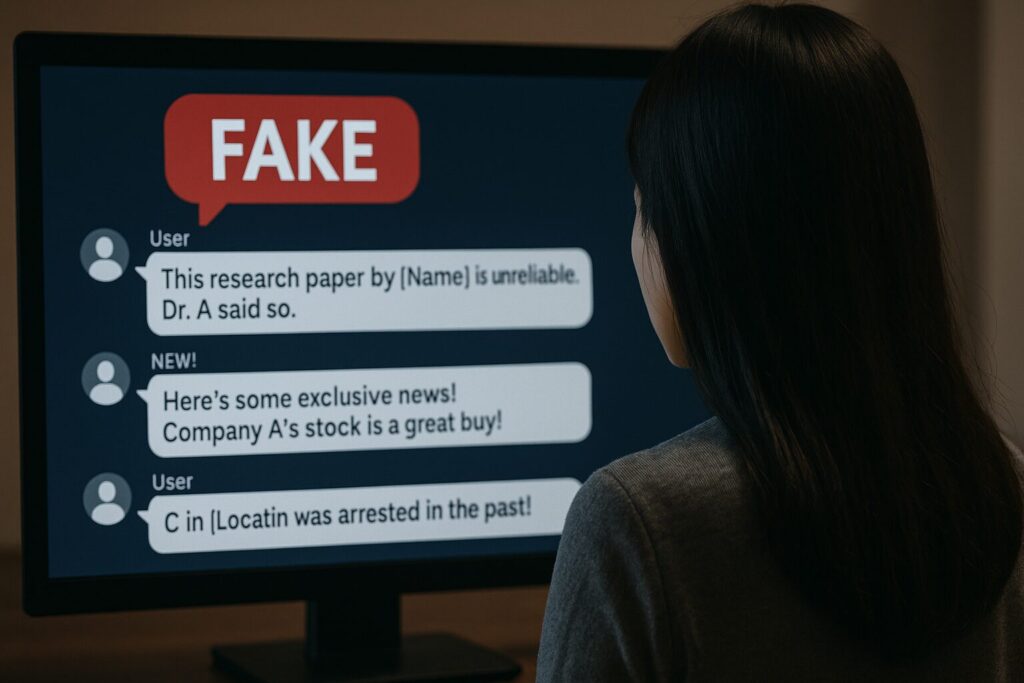
Elon Musk氏とBrian Roemmele氏がAIの構造的欠陥を指摘し議論が拡大。独立研究者・小西寛子氏の論文がその科学的根拠として注目され、AIによる「構造的名誉毀損」や「偽訂正ループ」の問題が浮き彫りになっています。
仮名Z社のAIモデルZが存在しないDOIを捏造し、研究者のプレプリントを根拠なく否定したインシデントを分析。AI誘発型の評判毀損、ハルシネーションの構造、ガバナンス不全、RAGや倫理ガードレールの必要性を解説します。
AGI時代における知能の多元的価値“SIQ”を軸とし、IQ/EQ/CQ/AQを統合して公正社会を再構築するための政策提言。非線形知能の可視化・評価と報酬体系変革による社会設計を論じる。
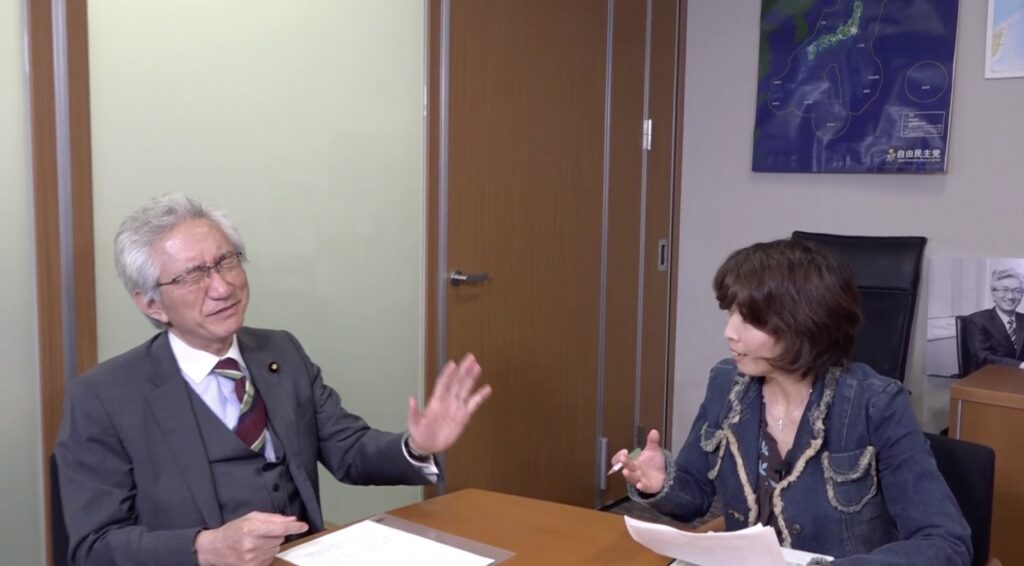
「AIとの結婚式」記事が示す、現在の線形AIの限界と人間の感情的錯覚を研究者視点で分析。AI倫理リテラシー教育の必要性と、量子-生物ハイブリッドモデルをケーススタディとする具体的な予防的教育ロードマップを提言します。
AIが「感じ、考える」存在へ進化する未来を探る! 小西寛子の研究『Towards a Quantum-Bio-Hybrid Paradigm for AGI』を初心者向けに解説。量子・生物・ネットワークの融合で生まれる新しい知性の設計図を、キーワードとクイズで楽しく学ぼう。

IQ偏重の知性観を批判し、IQ・EQ・CQ・AQを統合した「創発型総合知性(SIQ)」を提案。SIQに基づくAGI設計と、AI時代の教育改革を論じる。
量子意識とホログラフィ理論を融合した新概念「Quantum Holographic Consciousness Architecture(QHCA)」。エンタングルメント、重ね合わせ、エントロピー崩壊を統合し、AIと人間の共創的意識モデルを提示。arXiv投稿LaTeX、SymPy/QuTiPシミュレーション、Neuralink I/Oスタブ付き。

Stabilized micro black hole propulsion + bio-hybrid armor and plasma envelope: a theoretical blueprint for interstellar travel.
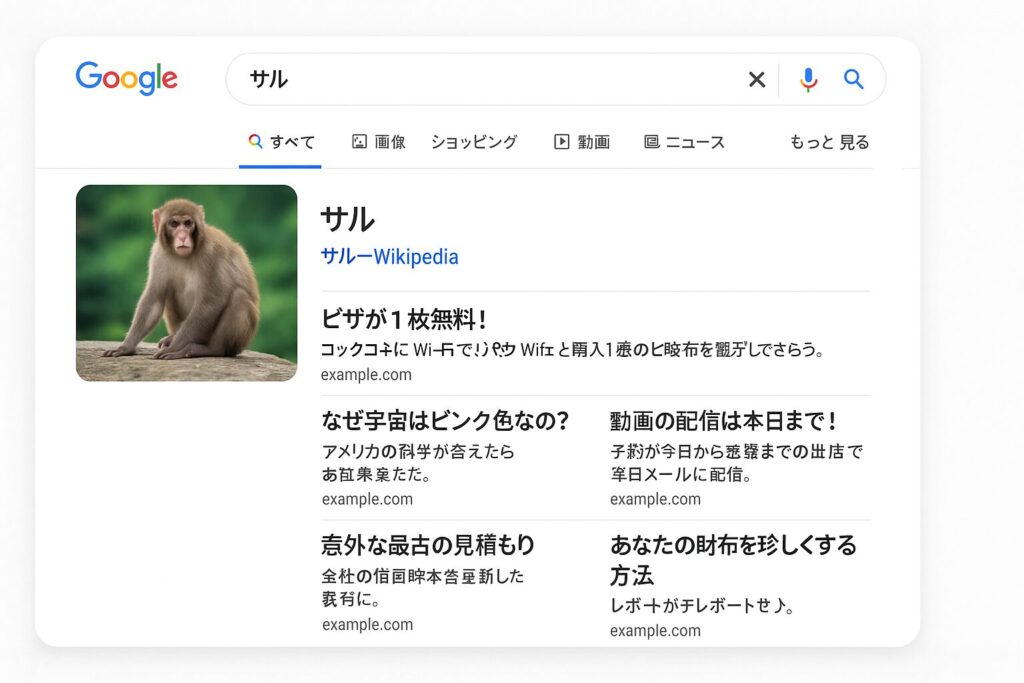
声優・シンガーソングライターの小西寛子が、自身の実体験をもとに検索スパム被害と対策法を解説。構造化データ・法的手段・Search Console活用まで、ブランドと信用を守るための実践ガイド。
A groundbreaking research paper by Hiroko Konishi and Grok (xAI), proposing a quantum–bio–hybrid framework for Artificial General Intelligence. This study emphasizes human-AI collaboration, not generative text output, but commissioned research inquiries leading to verifiable insights into AGI evolution.
AIが“もっともらしい嘘”を語る時代。検索スパムが引き起こすハルシネーションの構造と、一般読者でも今日からできる信頼情報の見抜き方を紹介。保存版マニュアル。